31 May 2024Read More »
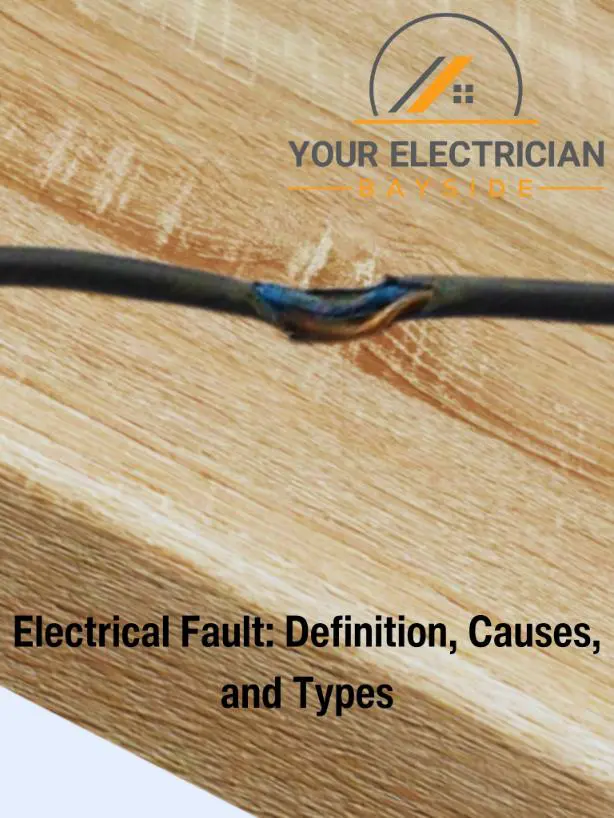
Electrical Fault: Definition, Causes, and Types
Electrical faults are one of the major dangers in homes that pose a huge risk to safety. That’s why homeowners need to recognise these faults…

Electrical faults are one of the major dangers in homes that pose a huge risk to safety. That’s why homeowners need to recognise these faults…
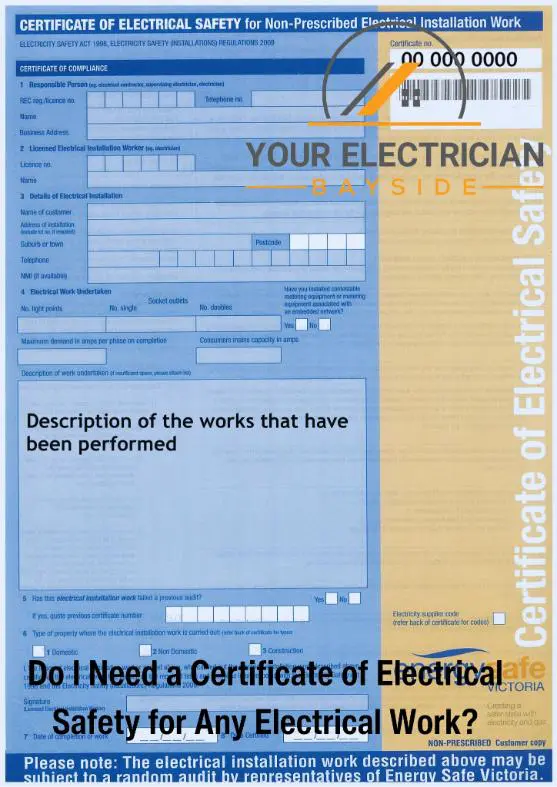
Yes, you need a Certificate of Electrical Safety (COES) for any electrical work. This document proves that the job has been accomplished safely while complying…
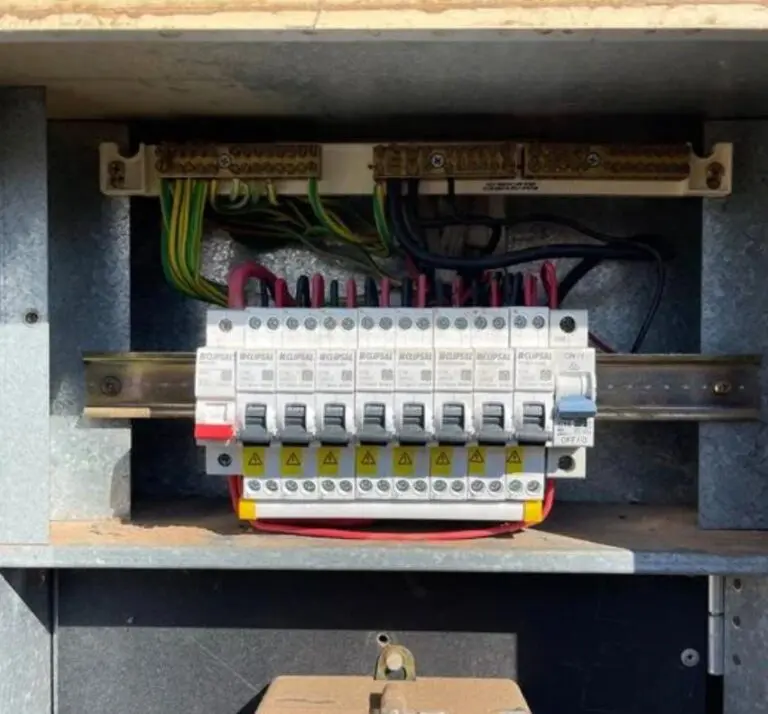
A breaker that keeps tripping with nothing plugged in is caused by an overheating appliance, overloaded circuit, ground fault, or short circuit. Knowing about this…
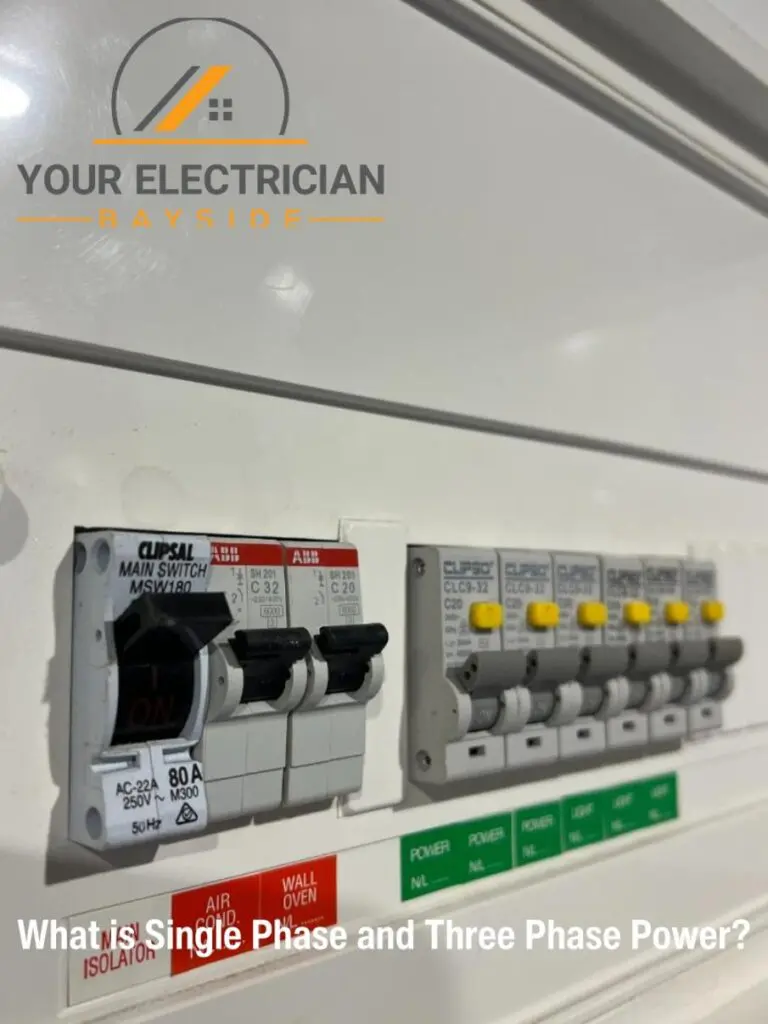
Single-phase power is an electricity supply type wherein an alternating current goes through a single conductor, whereas three-phase power involves alternating currents. The currents in…
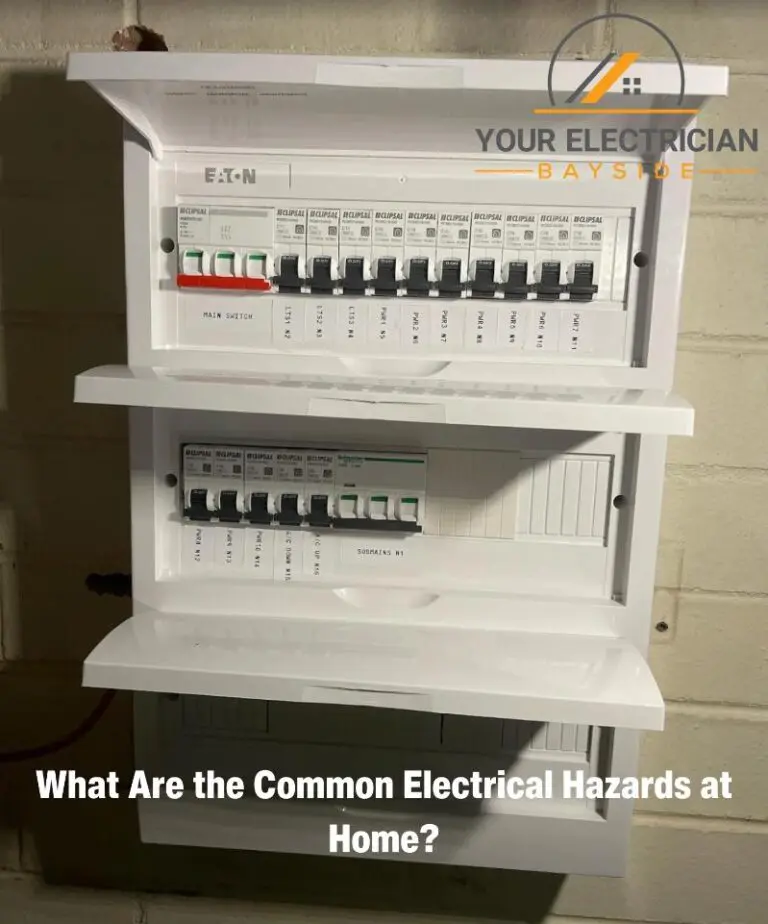
The common electrical hazards at home are old wiring systems, water close to electrical sources, overloaded power points, unattended electrical appliances, and damaged cords or…
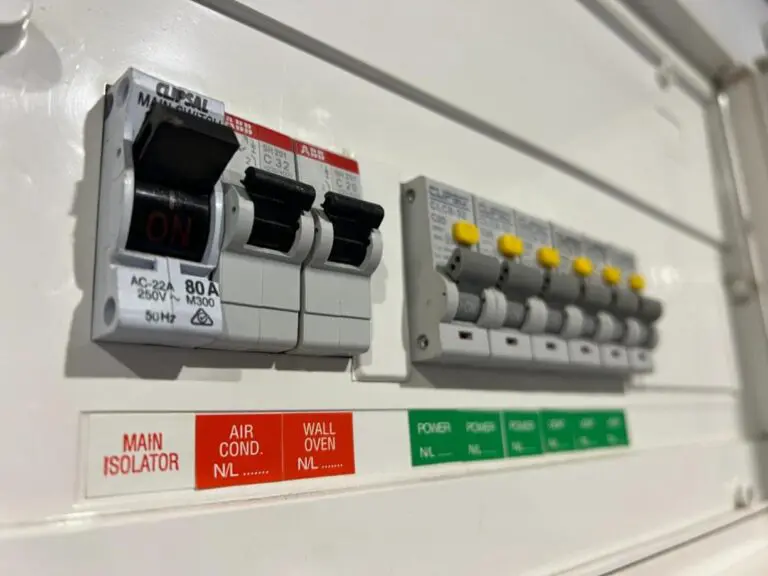
Yes, you should turn off breakers during a power outage to prevent power surges from damaging your appliances. It also reduces the risk of electrical…
In case of an electrical emergency, being a fast thinker and making informed decisions are vital. Knowing the intricacies around electrical fires is essential to…
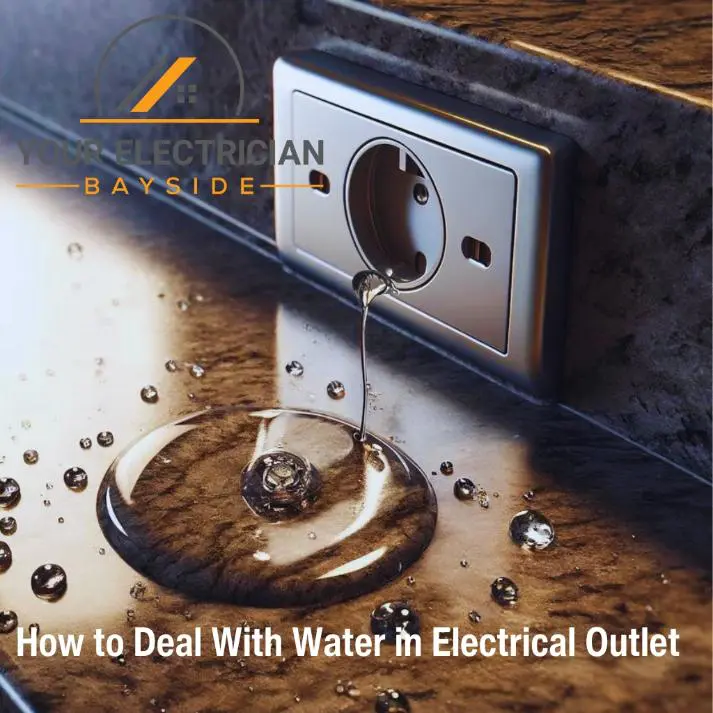
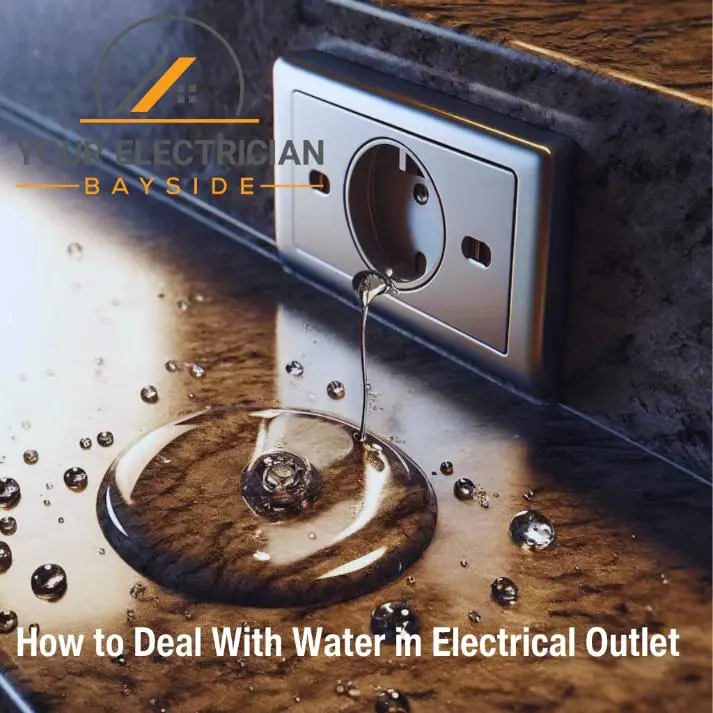
Noticing water coming out of an electrical outlet is a major concern that needs immediate action to prevent accidents. Electricity and water are two dangerous…
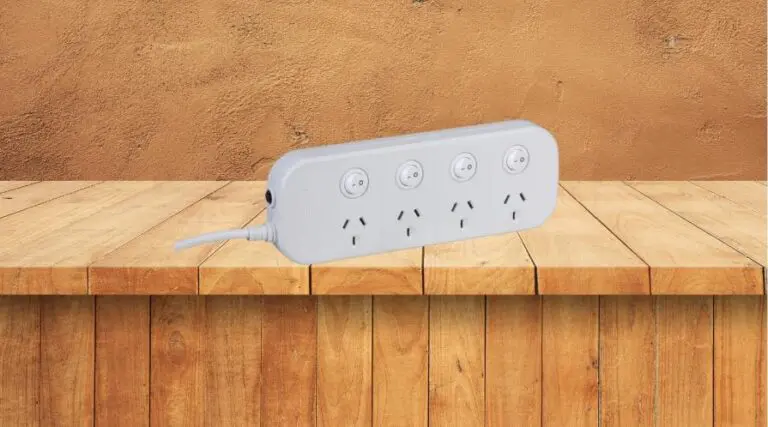
A power board is a device that allows multiple electrical appliances to be connected to one power outlet. It typically includes a series of sockets,…